
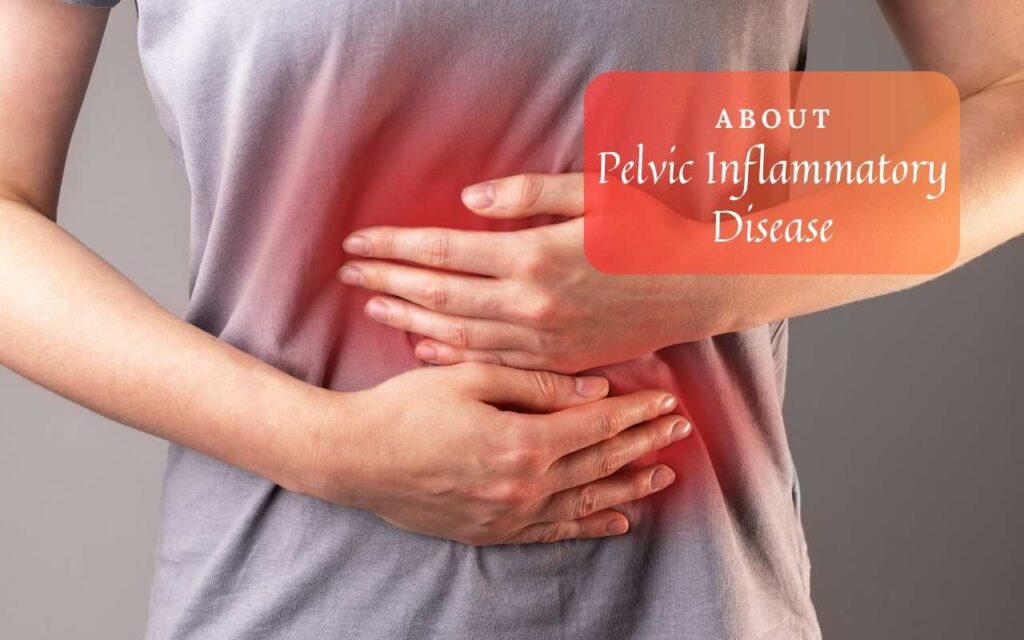
Pelvic inflammatory disease (PID) is a common and often misunderstood medical condition that affects millions of women worldwide. In this blog post, we will delve into the essential aspects of PID, including its causes, symptoms, and treatment options. Understanding PID is crucial for early diagnosis and proper management. So, let’s explore this topic in detail.
What is Pelvic Inflammatory Disease (PID)?
Pelvic inflammatory disease, commonly known as PID, is an infection of the female reproductive organs, including the uterus, fallopian tubes, and ovaries. PID is typically caused by bacteria that travel from the cervix into the upper genital tract, leading to inflammation and infection. If left untreated, PID can result in severe complications, such as infertility and chronic pelvic pain.
Causes of PID:
- Sexually Transmitted Infections (STIs): The primary cause of PID is the presence of sexually transmitted infections, such as chlamydia and gonorrhea. These infections can ascend through the cervix and into the reproductive organs, leading to PID.
- IUD Usage: In some cases, the use of intrauterine devices (IUDs) for contraception may increase the risk of PID, especially during the first few weeks after insertion.
- Childbirth and Abortion: Procedures like childbirth, miscarriages, and abortion can also introduce bacteria into the reproductive organs, potentially causing PID.
- Douching: Excessive douching can disrupt the natural balance of bacteria in the vagina and increase the risk of PID.
Symptoms of PID:
Recognizing the symptoms of PID is vital for early diagnosis and prompt treatment. Common symptoms include:
- Pelvic Pain: Dull or sharp pain in the lower abdomen.
- Abnormal Vaginal Discharge: Unusual vaginal discharge that may have a foul odor.
- Painful Urination: Discomfort or pain while urinating.
- Irregular Menstrual Bleeding: Changes in the menstrual cycle.
- Fever and Fatigue: Elevated body temperature and a general feeling of illness.
Treatment Options:
PID is a treatable condition, and early intervention is crucial to prevent complications. Treatment typically involves antibiotics to eliminate the infection. In severe cases, hospitalization may be necessary. It’s essential to complete the full course of antibiotics as prescribed by a healthcare provider.
Conclusion:
Pelvic inflammatory disease is a serious condition that can have significant consequences if left untreated. By understanding its causes, symptoms, and treatment options, individuals can take proactive steps to protect their reproductive health. If you suspect you may have PID or are experiencing symptoms, consult a healthcare professional for a thorough evaluation and appropriate treatment.
Remember that regular check-ups and safe sexual practices, including the use of barrier methods like condoms, can significantly reduce the risk of PID. Stay informed and take steps to safeguard your reproductive health.